Not every 'age spot' is simply pigment.
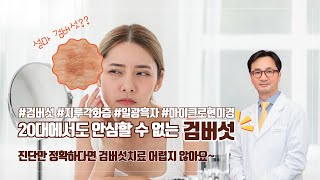
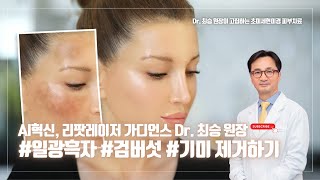
Seborrheic keratosis is a common benign epidermal growth that can appear brown, tan or dark and may become raised or rough over time. In everyday language it may be grouped with 'age spots,' but its surface character and structure differ from a flat solar lentigo.
Thickness and texture change the approach.
The degree of elevation, keratin build-up and surface roughness all influence which treatment method is most appropriate. A flat lesion and a raised one are not treated in the same way.
Clinical assessment is important.
Pigmented lesions can look similar to one another. Examination helps to distinguish seborrheic keratosis from solar lentigines, melanocytic nevi and other pigmented findings before treatment is decided.

Please note
Treatment approach for seborrheic keratosis depends on size, thickness, location and skin condition. Outcomes vary from person to person. Clinical assessment is performed before any treatment plan is proposed.
Understand what you are treating first.
Examination helps distinguish seborrheic keratosis from other pigmented lesions before treatment is planned.